Environmental Disasters, Climate Change Adaptation, and Environmental Justice

Course Description
In times of climate change, water is an increasingly crucial component of development programs and projects, in terms of disaster preparedness, resilience, and adaptation. In addition, the ever-augmenting magnitude and impact of disasters make a difference in the design and implementation of projects related to water access, sanitation, water management technologies, and environmental knowledge.
This course proposes an interdisciplinary analysis of environmental projects related to water and water disasters, including the possible consequences of water disasters for everyday development. It forms part of a specialised Master’s degree curriculum.
Pedagogy
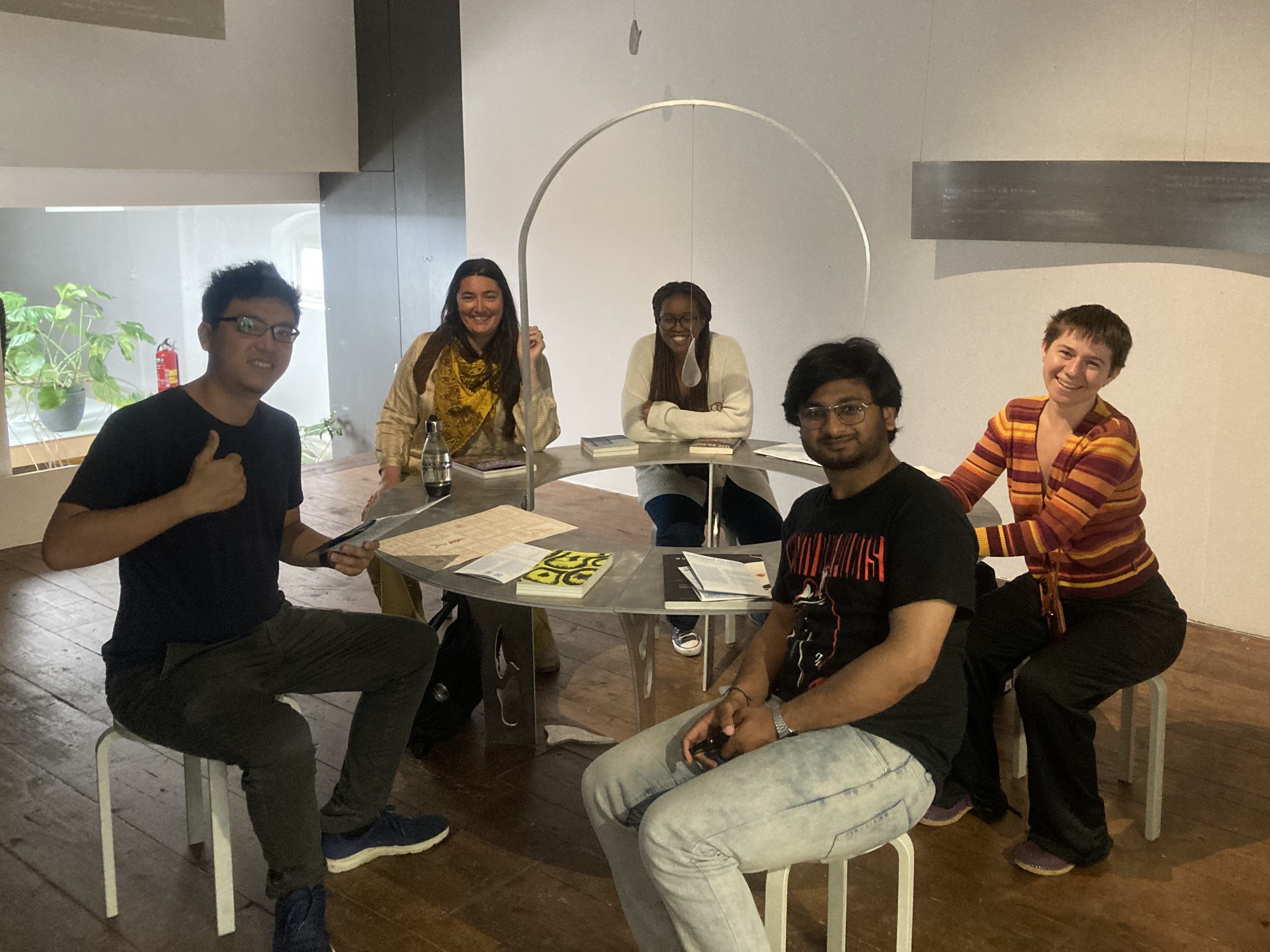
Centered on active learning, the course is organized around three types of classes: 1- interactive lectures filled with multiple activities, such as hands-on exercises, role-plays, peer-to-peer instruction, and anonymized reflections, based on the idea of introducing small portions of content and immediately operationalizing them; 2- interactions with experts based on developing specific skills or knowledge sets; 3- collaborating and sharing our work in project-based groupwork and project presentations. Some of the classes will be peer group based work sessions. This mode of delivery develops critical engagement with concepts by asking students to actively reflect on, and in some cases even embody, their learning as it occurs. In addition, the course builds research skills that will benefit students beyond the course and its thematic focus.
Learning objectives
By the end of the course, students will be able to
- Be able to discuss water in development academically, as well as related concepts such as water disasters, adaptation, social and environmental justice.
- Apply interdisciplinary lenses to interpret environmental disasters, but also reflect on the importance, value and difficulties of interdisciplinarity in environmental and water studies in particular.
- Apply the learning to a specific case study, including the responsible and effective management and implementation of a small research project, both individually and as a team.
Testimonials
 WATER JUSTICE AND ADAPTATION